Published August 27, 2026
What Is a MUD Tax? A Guide for Austin-Area Homebuyers

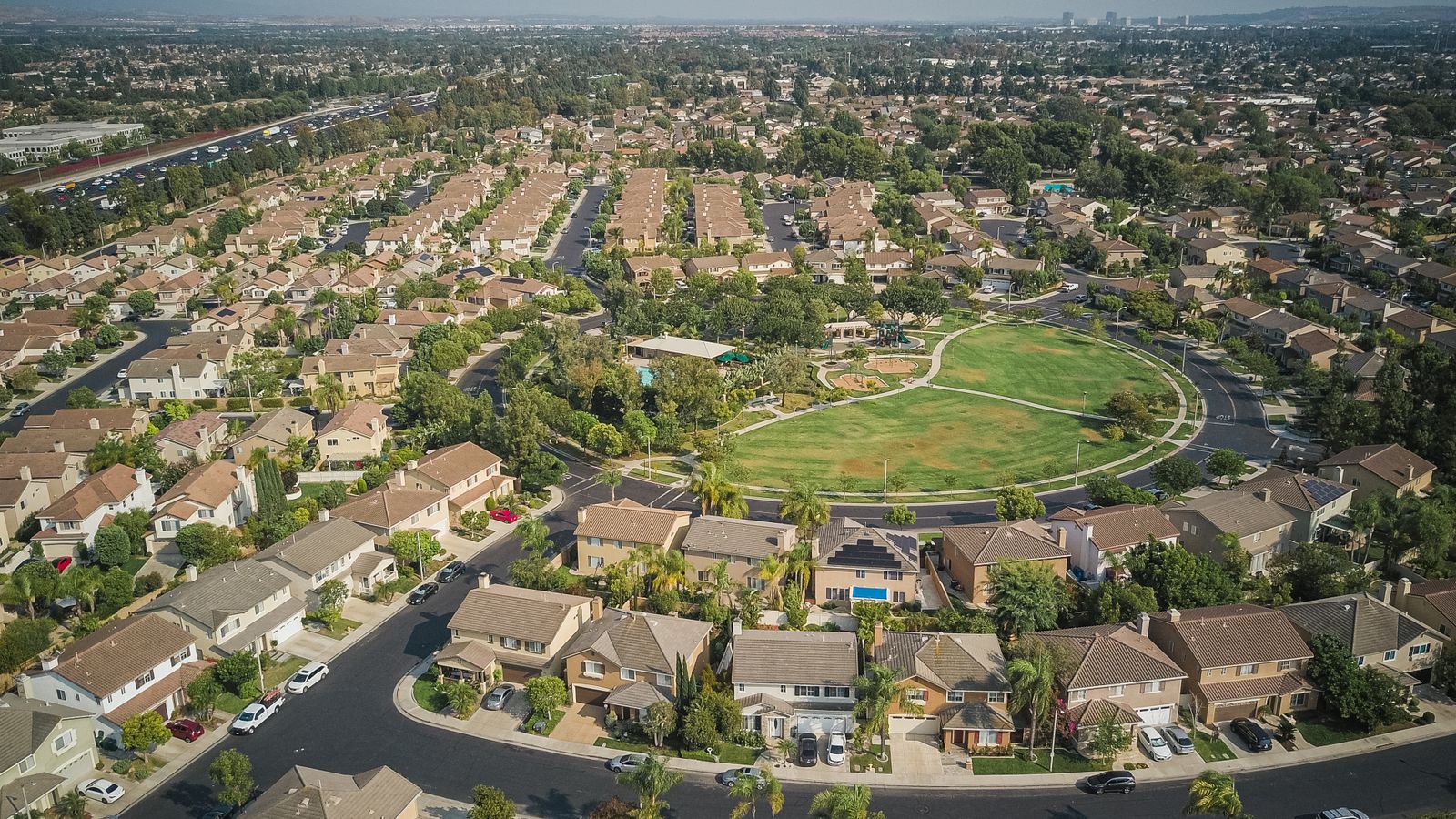
If you are shopping for a home in the Austin suburbs, you have probably spotted "MUD" on a listing or a tax statement and wondered what it means for your budget. A MUD, or Municipal Utility District, is a special taxing district that pays for the water, sewer, drainage, and roads in a newer community, and it adds a separate line to your annual property tax bill, often somewhere between $0.20 and $1.00 per $100 of assessed value. In short: it is not a fee or a scam. It is how growth on the edges of the metro gets its infrastructure paid for, and it is very common in the newer neighborhoods buyers love.
Below is what a MUD tax actually is, why it exists, how it changes your true cost of ownership, how it compares to a PID or an HOA, and which Austin-area communities are most likely to carry one.
What a MUD Tax Actually Is
A Municipal Utility District is a political subdivision created under Texas law to provide water, wastewater, drainage, and sometimes road or park infrastructure to an area that sits outside an existing city's utility service. When a developer builds a master-planned community on former ranch or farmland, someone has to pay to run the pipes, build treatment capacity, and lay the roads. Rather than roll all of that into the sticker price of every home, the MUD issues municipal bonds to fund the work, then repays those bonds through a property tax levied on the homes inside the district.
That is the key idea: a MUD tax is essentially you helping repay the infrastructure that made your neighborhood possible in the first place. It shows up on the same statement as your school and county taxes, and because it is a property tax, it is generally deductible in the same way. Always confirm the details with your tax professional.
How a MUD Tax Affects Your Total Tax Bill
The MUD rate stacks on top of your school district, county, and any city taxes. If your base rate across those entities is roughly 2.0% and the MUD adds 0.5%, your effective rate becomes about 2.5%. On a $500,000 home, that MUD portion alone is about $2,500 a year, real money that belongs in your budget from day one.
Here is the part buyers often miss: MUD rates typically fall over time. A brand-new district may carry a high rate in its early years because the bonds are fresh and few homes share the burden. As the community fills in and the tax base grows, the district can lower its rate and pay the bonds down. It is not unusual for a MUD rate to drop meaningfully over the first 10 to 20 years. When you compare two homes, ask not just what the MUD rate is today, but where the district is in its life cycle.
MUD vs. PID vs. HOA, and Why the Difference Matters
These three get confused constantly, and a single community can have all three at once:
- MUD (Municipal Utility District): a taxing district for utilities and infrastructure. It appears as a property tax, the rate can change each year, and it is generally tax-deductible.
- PID (Public Improvement District): an assessment used to fund specific improvements or amenities. It is often a fixed amount and may be paid annually or as a lump sum, and it is not always deductible the way a MUD is.
- HOA (Homeowners Association): private dues that maintain common areas and amenities. This is not a tax and not deductible. It is a separate monthly or annual cost.
Before you write an offer, ask for all three numbers: the MUD rate, any PID assessment, and the HOA dues. Together they tell you the true cost of living in that community.
Which Austin-Area Communities Commonly Have MUDs
MUDs cluster where new growth meets open land, so the metro's fast-growing edges are where you will find them most. Much of the newer construction in Leander sits inside a MUD, and the same is true for many hill-country developments around Lakeway, where districts fund the water and road infrastructure that steep terrain demands. To the south in Hays County, newer sections of Kyle and the master-planned communities near Dripping Springs frequently carry MUD or PID assessments, and a large share of the new-build inventory around Georgetown falls inside a district as well. By contrast, older, established neighborhoods inside Austin's city limits usually do not have a MUD, because city utilities already serve them.
How to Check a Property's MUD Before You Buy
Texas law protects you here. If a home sits inside a MUD, the seller is required to give you a statutory MUD notice before closing that discloses the district and its tax rate. You do not have to wait for that, though. You can look the district up on your county appraisal district's website, search the Texas Commission on Environmental Quality (TCEQ) district database, or simply ask your agent to pull the current rate and the district's bond status so you know where it sits in its life cycle.
Frequently Asked Questions About MUD Taxes
Is a MUD tax the same as a regular property tax? Functionally, yes. It appears on the same annual statement as your school and county taxes and is generally deductible as a property tax. The difference is simply that the money funds the district's water, sewer, and road infrastructure.
Does a MUD tax ever go away? The rate usually declines as the district pays down its bonds and more homes share the cost. Mature districts often drop their rate substantially, though a small maintenance rate may remain.
Are homes in a MUD a bad deal? Not at all. MUD communities are often newer, with modern homes and strong amenities, frequently at a lower purchase price than comparable homes without a MUD. The key is to factor the MUD rate into your total monthly cost so you are comparing homes fairly.
How much does a MUD typically add? Most MUD rates fall between roughly $0.20 and $1.00 per $100 of assessed value, on top of your other taxes. On a $500,000 home, that is somewhere between about $1,000 and $5,000 a year, with newer districts at the higher end.
What is the difference between a MUD and a PID? A MUD is a taxing district with a rate that can change annually; a PID is an assessment, often a fixed amount tied to specific improvements. A community can have both, so always ask for each figure separately.
Can I deduct MUD taxes on my return? MUD taxes are generally treated as deductible property taxes, subject to the same limits as the rest of your property tax deduction. Confirm the specifics with your tax professional.
How do I find out if a home is in a MUD? Check the seller's required MUD notice, look up the property on the county appraisal district site, search the TCEQ district database, or ask your agent to confirm the district and current rate before you make an offer.
Work With an Austin Real Estate Agent Who Knows the Districts
MUDs, PIDs, and HOAs can make two similar-looking homes cost very different amounts to own. Our team tracks the tax picture community by community across the Austin metro, so you can compare homes on their true cost, not just the list price. Reach out to the Spinelli Residential Group and we will help you weigh the numbers before you fall in love with a floor plan.